

Baby Sleep Cues: How to Tell When Your Baby Is Tired
July 26, 2026
Baby Overheating During Sleep: What Parents Need to Know
August 22, 2026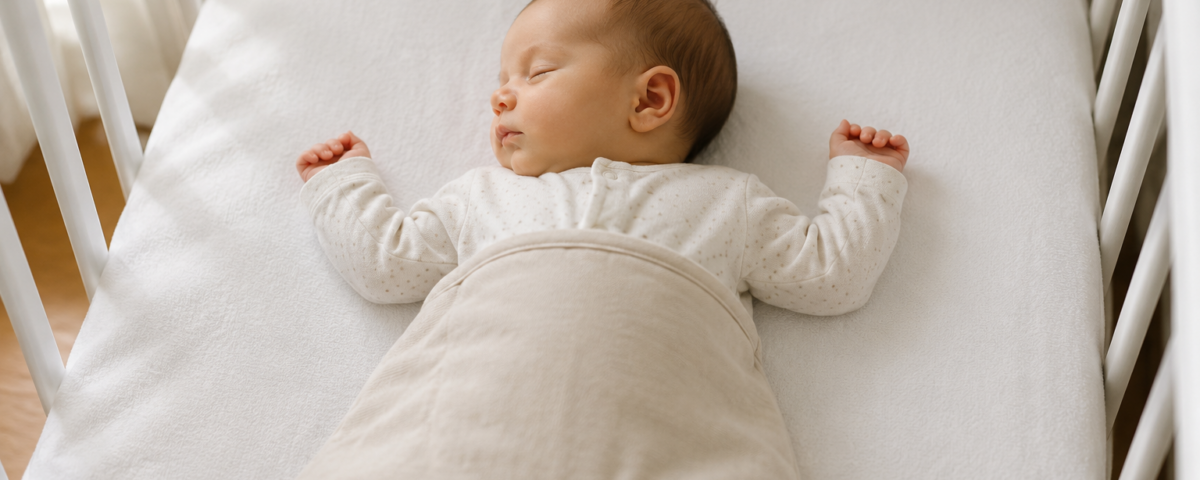
Key Takeaways
- Always place your baby on their back for every sleep during the first year.
- Side and stomach sleeping should not be used as routine sleep positions.
- Once your baby starts trying to roll, stop swaddling. Swaddled babies need their arms free to move and reposition themselves.
- When your baby can roll both ways independently, let them find their own sleep position after placing them on their back.
- Tummy time is for awake, supervised play—not for sleep.
Newborns spend much of their day sleeping, and during the early months they have limited ability to change their overall sleeping position independently. This makes the position in which parents place them especially important. As they grow, however, babies gradually become more mobile and may begin to move and change position during sleep.
It is natural for parents to have questions:
Does the sleeping position matter for your baby’s health and development? Which sleeping position is best? Should your baby sleep on their back? Is side sleeping safe? What happens when they start rolling onto their stomach?
The short answer is that sleeping position does matter, to the extent that there are official safe sleep recommendations from institutions such as the American Academy of Pediatrics.
Babies should always be placed on their backs for every sleep during the first year. As they become able to roll independently, they may move into another position during sleep.
Here is a simple guide to safe sleep positions during your baby’s first year.
What Is the Safest Sleep Position for a Baby?
The safest position for a baby to be placed to sleep is flat on their back.
The American Academy of Pediatrics (AAP) and the NIH Safe to Sleep® campaign recommend back sleeping for healthy babies up to 1 year of age. This applies to nighttime sleep as well as naps.
Back sleeping is associated with a lower risk of Sudden Infant Death Syndrome (SIDS) than sleeping on the stomach or side.
The sleep surface matters. Babies should sleep on a firm, flat and level surface designed for infant sleep, covered only with a fitted sheet. Babies should be dressed appropriately for the room temperature and should not have their heads covered during sleep. Avoid overheating and avoid hats, blankets or other loose coverings in the sleep space.
Why Sleeping on Their Stomach Is Not Recommended for Babies
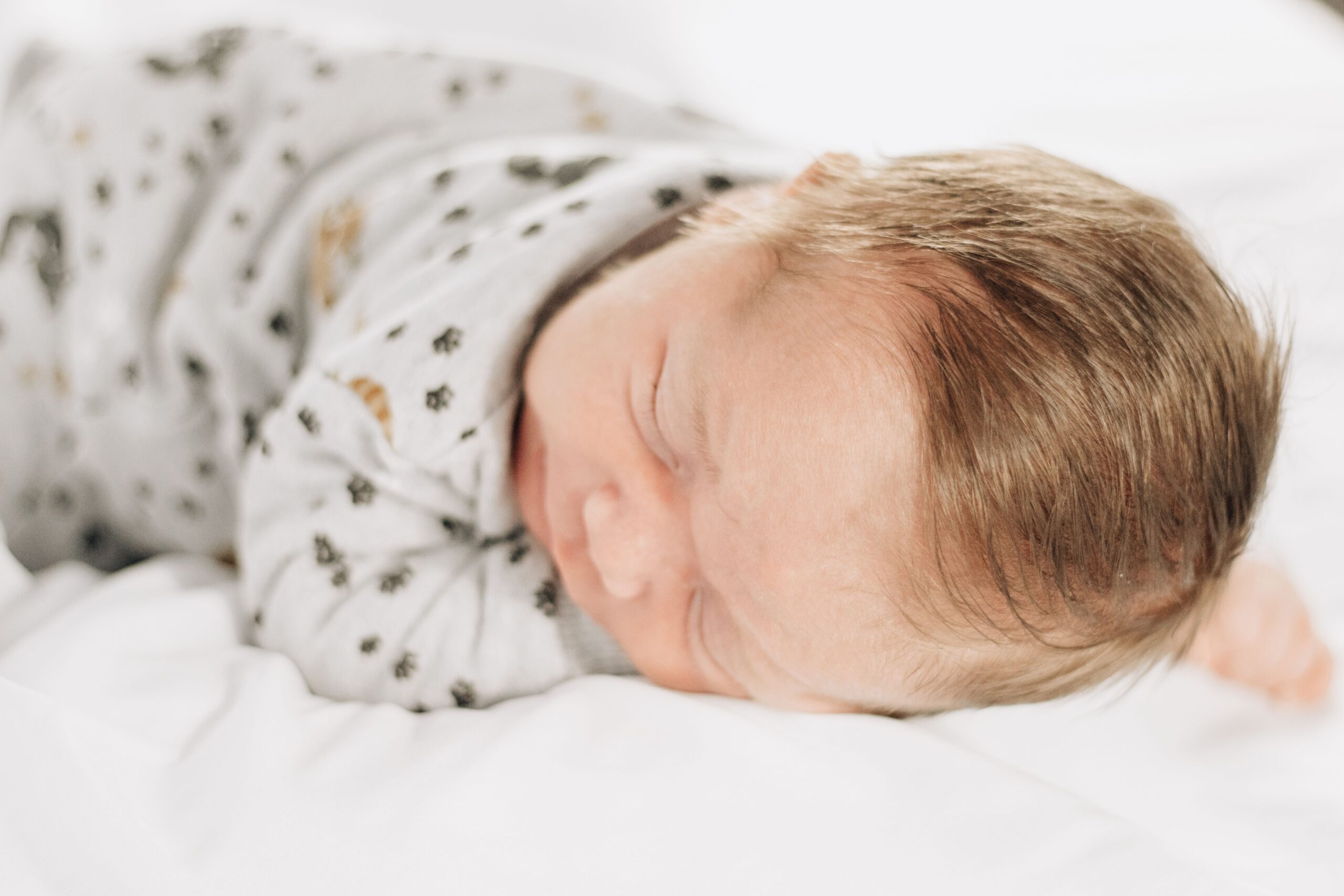
Older generations of parents were often advised to put their babies to sleep on their stomachs. However, this is not recommended today.
When babies sleep on their stomachs, they may rebreathe some of the air they have just exhaled, which can reduce the amount of oxygen they receive. This position can also make it harder for babies to lose body heat, and overheating during sleep is associated with an increased risk of SIDS.
One common concern is that a baby sleeping on their back might choke if they spit up, so sleeping on their stomach may seem to make sense. However, for healthy babies, evidence does not support this fear. A baby’s anatomy and natural reflexes help protect the airway, and back sleeping does not increase the risk of choking. Therefore, the back-sleeping recommendation applies to most babies with reflux.
If you have any concerns about your baby’s sleeping, discuss them with your pediatrician. They can offer guidance based on your baby’s individual needs.
Tummy Time Is Different From Sleeping on Their Stomach
Tummy time—putting your baby on their stomach and encouraging movement—is an important part of your baby’s development, but it should only happen while the baby is awake and supervised.
Tummy time helps strengthen the muscles in the neck, shoulders and arms, supports motor development and can help prevent flat spots on the back of the head.
A simple way to remember the difference is: Back for sleep. Tummy for supervised play.
What If My Baby Rolls Onto Their Stomach While Sleeping?
Babies eventually learn to roll, and some discover that they prefer sleeping on their side or stomach. Babies begin learning to roll at different ages. Some may show signs of attempting to roll as early as 2–3 months, while others take longer. By around 6 months, many babies can roll both ways and may start changing position repeatedly during sleep.
Because rolling can happen unexpectedly, parents should pay attention to signs that their baby is beginning to attempt to roll rather than relying on age alone.
What are the safe sleep recommendations when your baby starts rolling?
- You should continue to place your baby on their back at the beginning of every sleep.
- When babies first start rolling during sleep, they may be able to roll from their back onto their stomach but not yet know how to roll back. If this happens during sleep, the NIH advises that you can reposition them onto their back if they roll onto their stomach during sleep.
- At this stage, keeping the sleep space clear becomes particularly important. There should be no pillows, loose blankets, stuffed toys, bumpers or other soft objects around your baby.
- Once your baby can roll independently in both directions—from back to stomach and from stomach to back—you no longer need to reposition them during the night. You can let them sleep in the position they move into themselves.
Is Side Sleeping Safe for Babies?
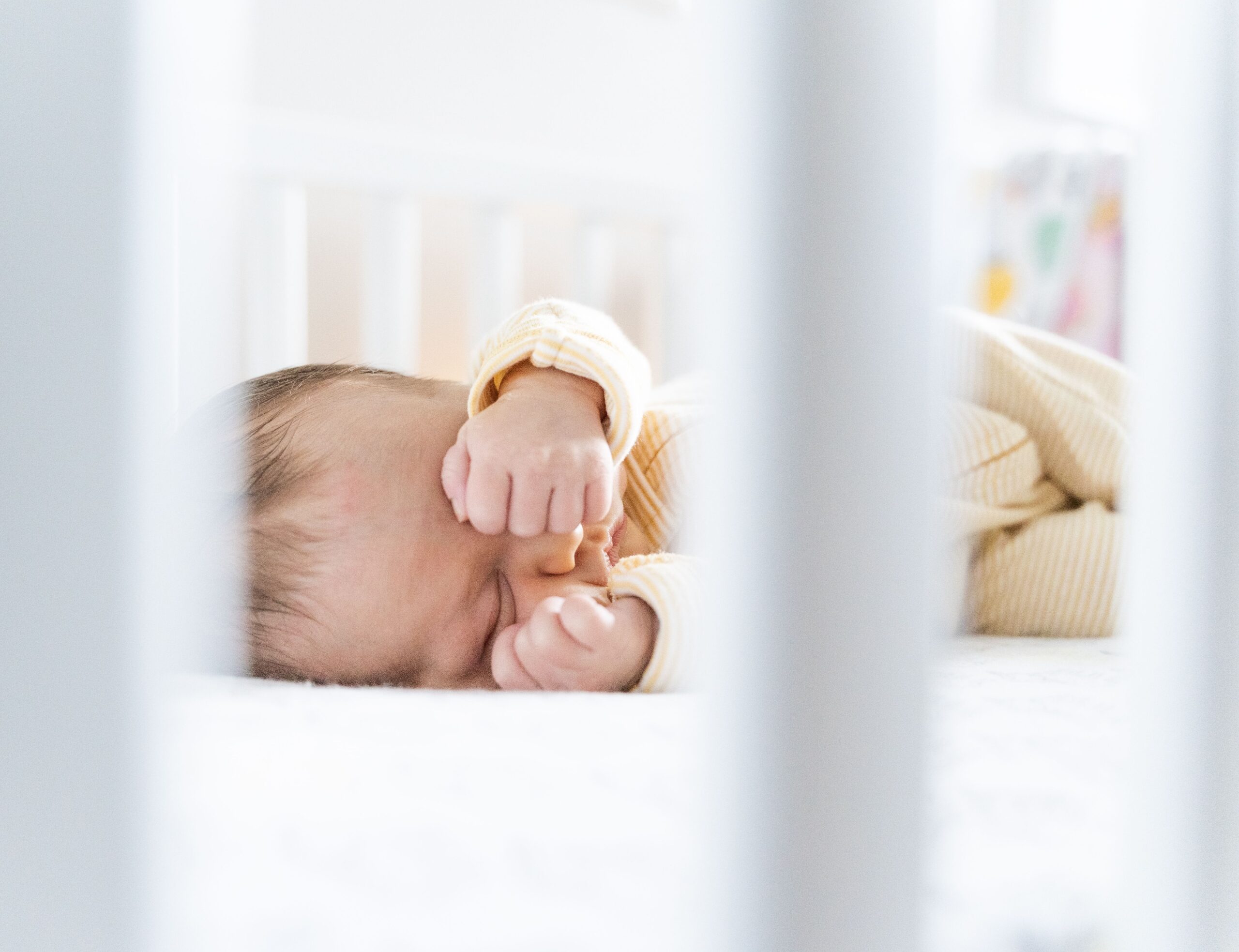
Side sleeping may appear to be the golden solution between back sleeping and sleeping on their stomach; however, it is not currently recommended as a routine sleep position for babies.
The main problem with the side position is that it is unstable. A baby placed on their side can roll more easily onto their stomach, which is associated with a higher risk of SIDS.
For this reason, parents and caregivers should place babies fully on their backs rather than positioning them on either side.
There may be individual medical circumstances in which a healthcare professional gives different instructions. In these cases, parents should follow the guidance provided specifically for their baby.
What About Swaddling When a Baby Starts Rolling?
Rolling is also an important milestone when it comes to swaddling.
Swaddling is commonly used during the first weeks and months of life to help calm newborns and reduce the startle (Moro) reflex, which may help some babies settle and sleep more easily. However, swaddling does not reduce the risk of SIDS and should never be used as a substitute for recommended safe-sleep practices.
The most critical point is knowing when to stop swaddling your baby.
If you swaddle your baby, you should stop as soon as your baby shows signs of trying to roll. A swaddled baby who rolls onto their stomach may have difficulty using their arms and body to change position or return to a safer position.
Babies develop at different rates, and some may begin showing signs of attempting to roll as early as 2 months. For this reason, parents should watch for developmental signs rather than relying on a particular age.
Once you stop swaddling, your baby should still be placed on their back to begin every sleep. If your baby is no longer swaddled, a well-fitting, non-weighted sleep should be used instead of loose blankets if additional warmth is needed.
Does Sleep Position Change for Babies With Reflux?
Usually, no.
It may seem logical to raise a baby’s head or place them in another position to prevent milk from coming back up, but current recommendations still advise placing babies with reflux flat on their backs for sleep.
The NIH also advises against raising one end of the crib or mattress. Inclining the sleep surface has not been shown to reduce reflux and can allow a baby to slide into a position that interferes with breathing.
If reflux is severe, painful or affecting your baby’s feeding or growth, speak to your pediatrician rather than changing your baby’s sleep position on your own.
What About Flat Head Syndrome?
Some parents worry that always placing a baby on their back will cause a flat area to develop on the head.
Flat spots can occur, particularly when young babies spend a lot of time with their heads resting in the same position. In most cases, however, they are not dangerous and tend to improve as babies become stronger, more mobile and able to sit.
Supervised tummy time while your baby is awake is one of the best ways to reduce prolonged pressure on the back of the head while also encouraging healthy motor development.
If you notice significant flattening or are concerned about your baby’s head shape, discuss it with your pediatrician.
Safe Sleep Positions for Babies: The Simple Rule to Remember
Safe sleep advice can sometimes feel complicated, especially once babies start moving and developing their own sleep preferences. But the basic recommendation is surprisingly simple:
Always place your baby on their back to begin every sleep.
Use a firm, flat and level infant sleep surface and keep the sleep area free from loose bedding, pillows, toys and other soft objects. Once your baby can roll independently in both directions, you can generally allow them to choose their own position after you have placed them down on their back.
And remember: sleep changes quickly during the first year. What your newborn needs today may look very different a few months from now.
For detailed, evidence-based guidance on infant sleep positions and reducing the risk of SIDS and other sleep-related deaths, visit the NIH Safe to Sleep® program.