

How to Create a Safe and Cozy Sleep Environment for Your Baby
June 22, 2026
What Can Sleep Monitoring Tell Parents About Their Baby’s Sleep?
July 6, 2026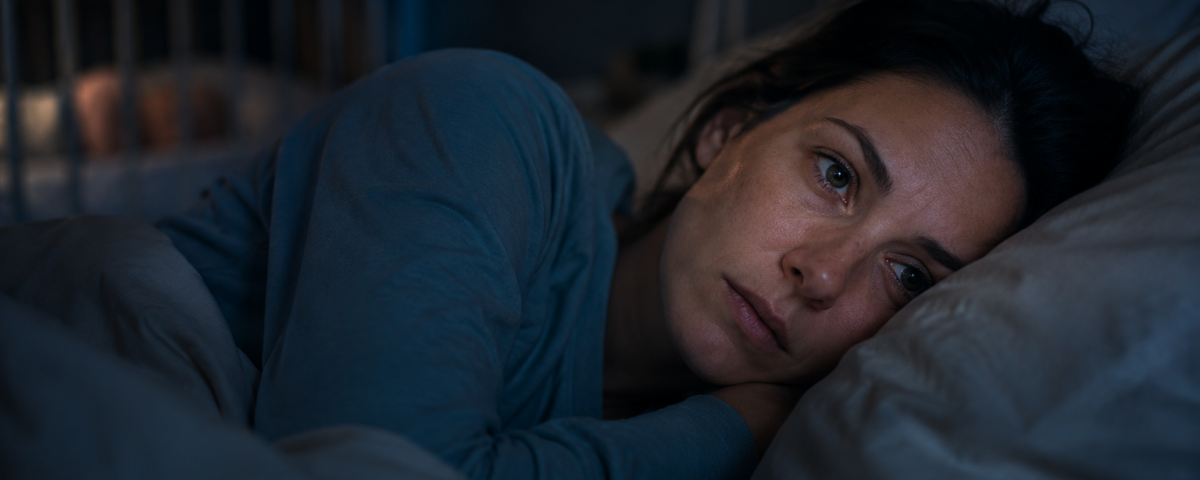
If there is one thing new parents crave, it is a good night’s sleep.
And if there is one thing that keeps many of them awake, it is the fear that they might actually get it.
It sounds contradictory, but it is a reality many parents know all too well. They are exhausted and long for uninterrupted sleep, yet when their baby finally settles, they find themselves lying awake, listening for sounds from the nursery, checking the monitor one more time, or wondering whether they should get up and make sure everything is alright.
What if I don’t hear the baby cry?
What if something happens while I’m asleep?
For many parents, the challenge is not simply sleep deprivation. It is parental sleep anxiety: the feeling that they should remain alert and vigilant even when their baby is sleeping peacefully. The same instincts that help parents protect their children can sometimes make it difficult for them to rest themselves.
What Is Parental Sleep Anxiety?
Parental sleep stress is excessive worry, alertness, or fear related to a child’s wellbeing during sleep that makes it difficult for parents to relax or fall asleep.
Unlike ordinary tiredness, parental sleep anxiety is not caused by the baby waking frequently. It happens when parents remain mentally “on duty” even when the baby is asleep. Many parents describe feeling unable to switch off. Their body is tired, but their mind remains alert, listening, anticipating, and preparing to respond.
Parental sleep anxiety is especially common during the newborn period, but it can affect parents of older babies and toddlers as well. Research suggests that around 1 in 5 mothers experience anxiety or depression symptoms during the perinatal period, while anxiety also affects many fathers. Sleep deprivation and anxiety often reinforce one another, creating a cycle in which worry makes it harder to sleep, and lack of sleep makes worries feel more intense. For many families, concerns about their baby’s sleep, safety, breathing, and wellbeing are among the most common sources of nighttime stress during the early months of parenthood.
Symptoms of Parental Sleep Stress
Parents experiencing sleep anxiety may notice some of the following signs:
- Difficulty falling asleep after putting the baby down.
- Feeling exhausted but unable to sleep.
- Racing thoughts at bedtime.
- Repeatedly checking on the baby during the night.
- Waking up at every small sound.
- Sudden awakenings followed by checking the nursery.
- Feeling unable to relax when someone else is caring for the baby.
- Worrying about breathing, temperature, sleep position, or safety.
- A constant feeling of being “on alert.”
Some parents also experience physical symptoms such as muscle tension, a racing heartbeat, restlessness, or a feeling of unease when they try to sleep.
Why Does Parental Sleep Anxiety Happen?
Parental sleep stress often develops because several powerful factors come together at the same time.
A Strong Protective Instinct
Humans are wired to protect their young.
After a baby is born, many parents become highly sensitive to sounds, movements, and changes in their environment. A tiny grunt from the bassinet may wake them instantly, even when they previously slept through much louder noises.
This heightened awareness is normal and often helpful. The challenge arises when vigilance becomes difficult to turn off.
Sleep Deprivation
Sleep deprivation and anxiety often reinforce one another.
When parents are exhausted, worries can feel bigger and more urgent. A tired brain is more likely to imagine worst-case scenarios and less able to assess risk calmly.
Uncertainty
New parents are constantly encountering things they have never seen before. When people lack information, the mind often fills the gaps with worry.
Irregular newborn breathing, twitching during sleep, strange noises, unexpected wakeups, changes in feeding, and growth spurts can all feel alarming until parents learn what is normal.
Responsibility
For many parents, the realization that a tiny human depends entirely on them can feel overwhelming. The desire to get everything right can create pressure to stay alert at all times, even when rest is what the parent needs most.
Common Fears Behind Parental Sleep Anxiety
Although every family is different, many sleep-related worries tend to revolve around similar themes.
Parents may worry that:
- They will not hear the baby cry.
- The baby is uncomfortable.
- Something will happen while they are asleep.
- They are missing an important sign.
- They are not being vigilant enough.
Many parents recognize that some of these fears are unlikely, yet still struggle to stop thinking about them. That is because anxiety is rarely driven by logic alone and these worries do not simply disappear because someone tells us not to worry. When we are tired, overwhelmed, or uncertain, our minds naturally seek reassurance. One more check can feel like the safest option, even when we know it is unlikely to reveal anything new.
Concern is a natural part of caring for a baby. What helps is finding ways to feel reassured enough that concern does not keep you awake night after night.
How to Cope With Parental Sleep Anxiety
Sleep is essential for caregivers. While new parents naturally want to remain vigilant, chronic sleep deprivation can take a toll on their physical health, emotional wellbeing, and ability to care for their child.
Finding effective ways to cope with sleep anxiety after having a baby is therefore important not only for parents, but for the wellbeing of the entire family, helping both parents and baby enjoy more restful nights.
Coping with parental sleep anxiety involves caring for both sides of the equation: helping your baby sleep well and helping yourself relax. Here are some approaches that many parents find helpful.
Learn What Normal Infant Sleep Looks Like
New parents are constantly encountering behaviors they have never seen before, and what seems alarming at first is often simply part of normal infant development. Many sleep-related worries come from not knowing whether a behavior is normal or a sign that something is wrong.
Newborns often:
- Twitch and move more than parents expect.
- Make grunting, squeaking, or snorting noises.
- Wake frequently.
- Breathe irregularly.
While these behaviors can be surprising, they are often a normal part of a baby’s sleep. Understanding what to expect can help parents feel more confident and reduce the urge to worry about every sound, movement, or change they notice during the night. Sometimes, simply knowing that a behavior is common and age-appropriate can bring considerable peace of mind.
Create a Safe Sleep Environment
One of the most reassuring things parents can do is focus on the things that are within their control. Much of parental sleep anxiety comes from worrying about what might happen while we are asleep. Creating a safe sleep environment helps transform some of that uncertainty into confidence.
A safe sleep space includes a firm mattress, a fitted sheet, no loose blankets, pillows, or stuffed toys, appropriate sleepwear, and a comfortable room temperature.
No sleep environment can eliminate every worry, and most parents will still find themselves checking on their baby from time to time. That is normal. But when those moments of anxiety arise, it can help to remind yourself that you have already taken important steps to keep your baby safe. You have prepared their sleep space thoughtfully and carefully. Sometimes, that reminder is enough to help you let go of the need to check one more time and allow yourself to rest as well.
Choose a Monitoring System That Brings Peace of Mind
One of the most difficult things about parental sleep anxiety is the feeling that you might miss something important while you sleep.
A multisensor monitoring system can help provide reassurance by acting as an extra set of eyes and ears when you are not in the room. By monitoring breathing, movement, temperature, and humidity, and using smart alerts to notify you if something requires attention, it can help reduce the feeling that you need to remain constantly vigilant.
Importantly, the goal is not to spend the night watching a screen. A good monitoring system should do the opposite. Instead of requiring constant checking, it can help parents feel confident that they will be notified if something needs their attention. For many families, that reassurance makes it easier to relax, stop wondering, and get some much-needed sleep themselves.
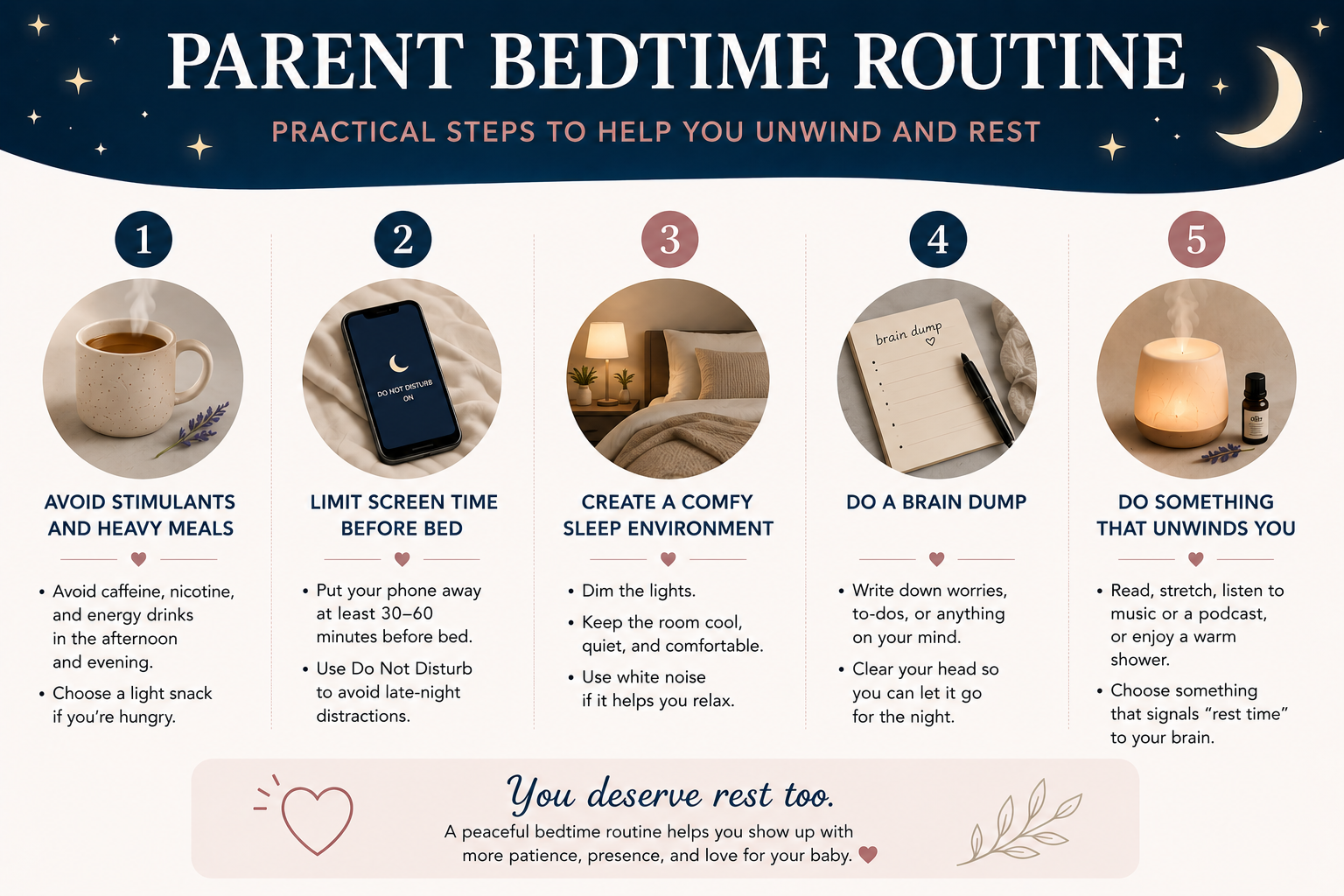
Avoid Excess Stimulation Before Your Bedtime
New parents often spend a great deal of time creating soothing bedtime routines for their baby, yet rarely extend the same care to themselves. After all, when the baby is finally asleep, there are dishes to wash, messages to answer, laundry to fold, and a thousand parenting questions tempting them to pick up their phone “just for a minute.”
But parents need a transition to sleep too.
If possible, try to create a few moments between the end of your day and the moment your head hits the pillow. Keep lights dim, avoid scrolling through parenting forums or social media, and resist the urge to search for reassurance about every concern that crosses your mind. Limit caffeine later in the day and avoid relying on alcohol to help you unwind, as both can affect sleep quality.
Instead, choose activities that help your body and mind slow down: a warm shower, a cup of herbal tea, a few pages of a book, calming music, or simply sitting quietly for a few minutes.
This may sound like a luxury when you have a young baby, but even a short wind-down routine can make a difference. It sends an important message to your brain: the baby is settled, the house is safe, and for now, it is okay for me to rest too.
Share Responsibilities
The responsibility of caring for a baby can sometimes feel overwhelming, particularly during the night. Whenever possible, share nighttime responsibilities with a partner or trusted caregiver.
Even small breaks can make a difference. Knowing that someone else is there to help can provide reassurance and ease some of the pressure many parents place on themselves. Parenting was never meant to be a one-person job, and getting support when it is available can help everyone get more rest.
Caring for Your Baby Includes Caring for Yourself
Parental sleep stress is one of the less-discussed realities of early parenthood. While everyone talks about babies waking during the night, fewer people talk about the parents who remain awake even when their baby is sleeping peacefully.
If this sounds familiar, you are not alone. Sleep anxiety is a common response to the responsibility, uncertainty, and deep love that come with caring for a baby.
Over time, confidence grows. You learn your baby’s patterns, become familiar with what is normal, and discover what helps your family rest. Creating a safe sleep environment, establishing calming routines, seeking support from your partner or loved ones, and choosing tools that provide reassurance can all help lighten the mental load that so many parents carry at night.
Caring deeply about your baby does not mean staying awake all night. As parents become more familiar with their baby’s rhythms and needs, many find that they worry less and restful nights slowly return.
And if anxiety ever feels overwhelming or begins to affect your wellbeing, remember that parents deserve support too. Looking after yourself is one more way of looking after your baby.